

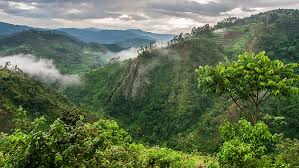
Moshi is a quiet rural town located in northern Tanzania and borders the internationally renowned Mount Kilimanjaro National Park from the south. Corn, beans, and vegetable plantations appear prominently across the landscape, however that’s not the only green that’s being cultivated. Farmers, born and raised in this highly arable town, are famous for growing the Moshi landrace sativa. This unique african cannabis strain produces an abundance of eucalyptus/pine terpenes and ranks in the top tier of heavy hitters similar to the Ethiopian Shashamane.

The intense euphoria and cerebral stimulation produced by Moshi sativa makes it appealing for cannabis breeders based in the United States, Europe, and Australia. This post explains the best conditions for growing an african sativa strain in a foreign environment.
Cultivating African Sativa Strains In Foreign Environments
In June of 2022, a cannabis breeder based in New York sent me an email, expressing interest in the Moshi sativa after having visited my website. A week later, I sent a pack of 15 seeds to New York. We also discussed the climate in northern Tanzania and came up with a strategy for mimicking external variables that are favorable for growing this strain.
External Variables Favorable For Growing Moshi Landrace Sativa
External variables consist of the natural elements that are necessary for plant growth, such as humidity, temperature and soil PH.
Here’s a breakdown of the indoor setup used by the breeder based in New York. It took 16 weeks to germinate and harvest this highly potent african landrace strain.
1. Indoor Light Cycle
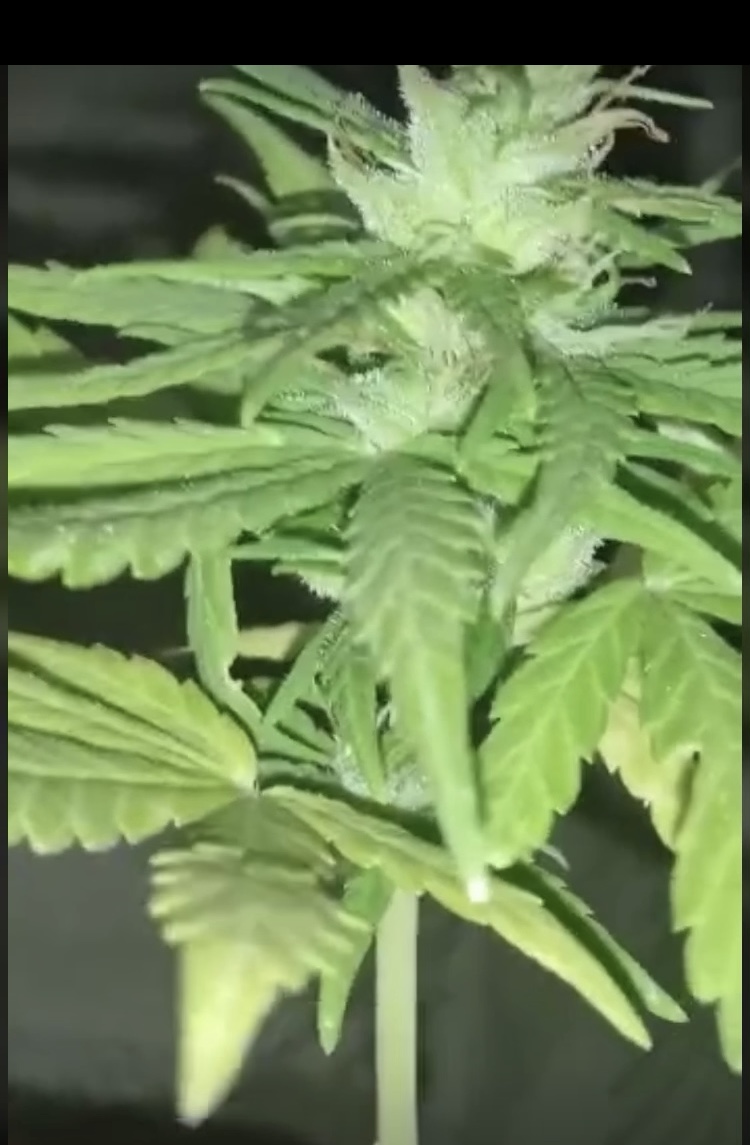
The Moshi sativa seeds germinated and transitioned to veg state under a 2 by 4, 100W LED panel. The timer was programmed to a 12/12 light cycle. It didn’t require any additional effort on the grower’s part for the seedlings to develop large healthy fan leaves and robust stems. The 12/12 light cycle ran from germination until harvest.
2. Temperature
My friend based in New York had a spare grow tent which made it possible to keenly observe the maturing Moshi sativa plant. Inside the tent was a small portable AC unit set to 58 degrees Fahrenheit. The temperature proved to be conducive considering that the plants remained healthy throughout the summer.
3. Soil Preparation
After the tap roots popped out, the breeder chose a couple of germinating seeds and planted each one inside a one-gallon pot. The pots contained sterilized garden soil containing a rich mixture of organic manure. The Moshi sativa seedlings thrived during the veg state thanks to the abundance of essential nutrients provided by;
- Aged chicken manure mixed with oak leaf mold
- Low-tide ocean seaweed compost
- Peat and rice hulls
The lively vegging plants displayed signs of transitioning to flowering around 7-8 weeks after germination. Each plant received moderate portions of organic blooming manure comprised of the following ingredients;
- Fish bone fertilizer
- Worm castings
- Molasses

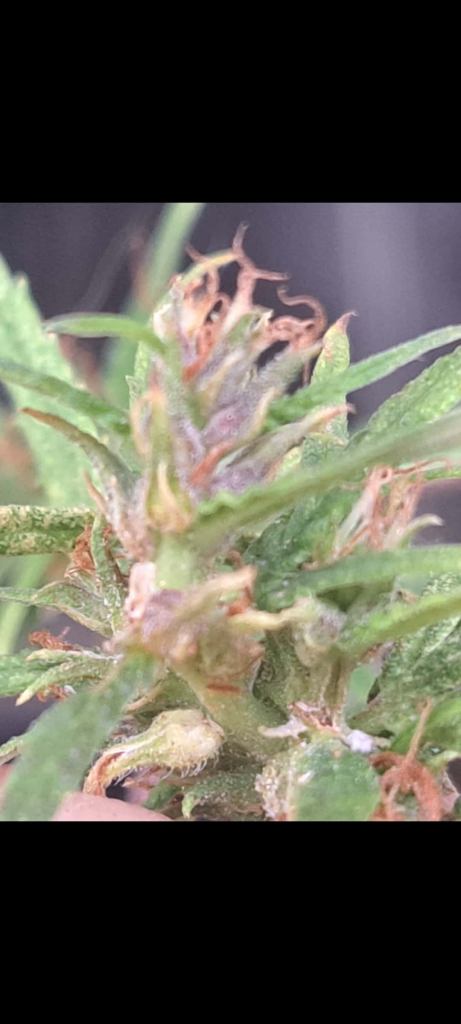
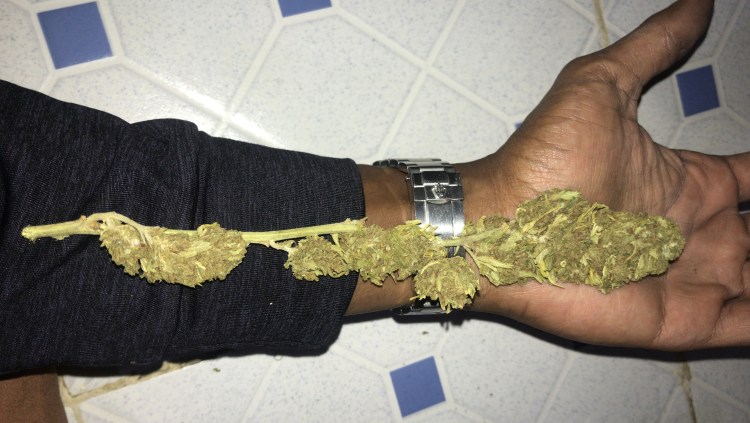
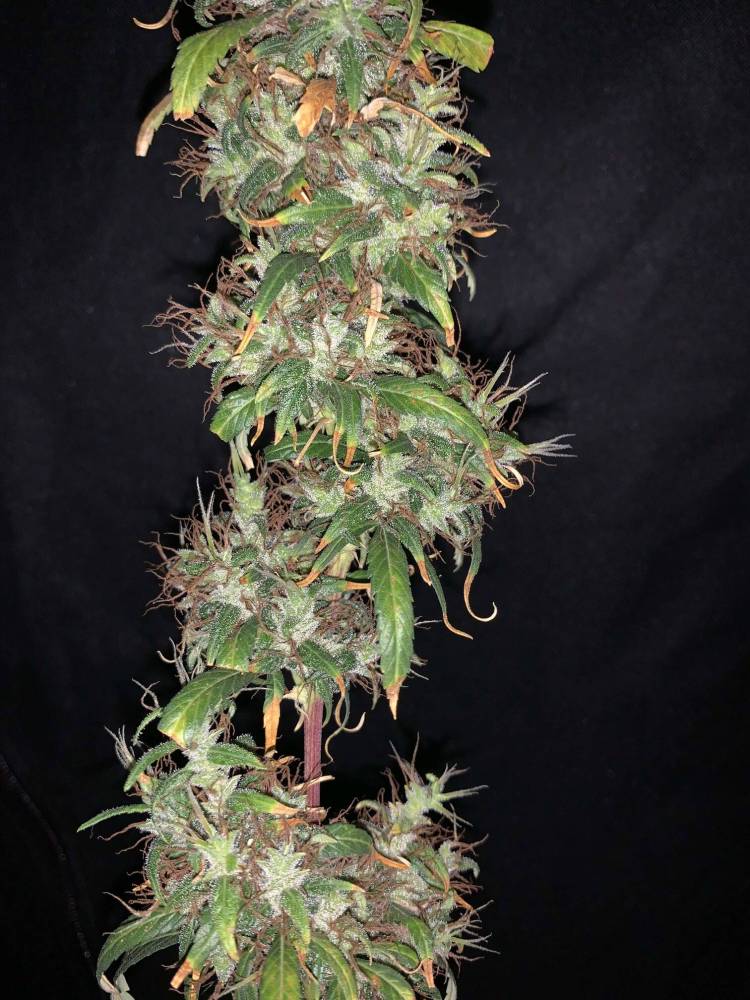
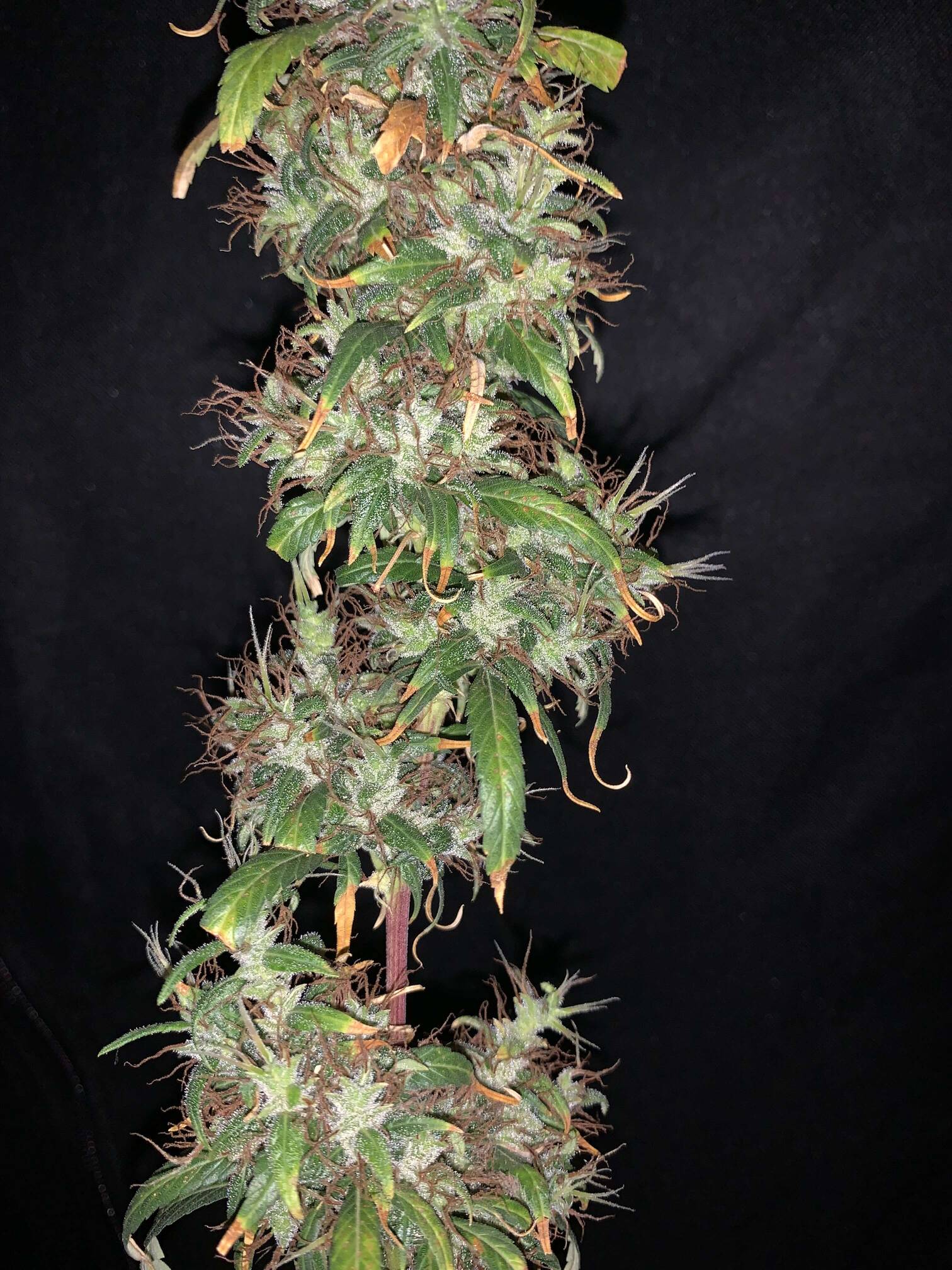
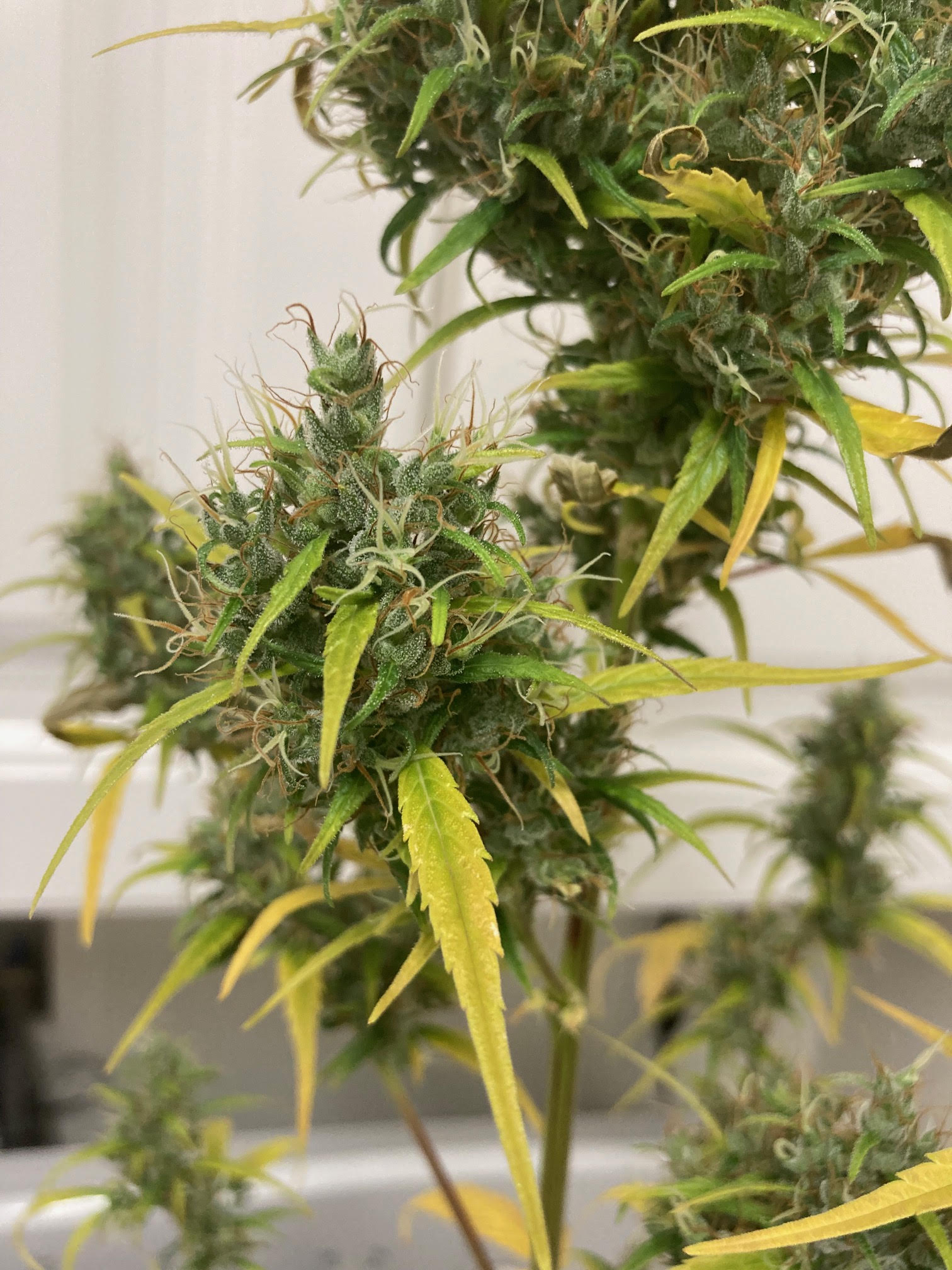
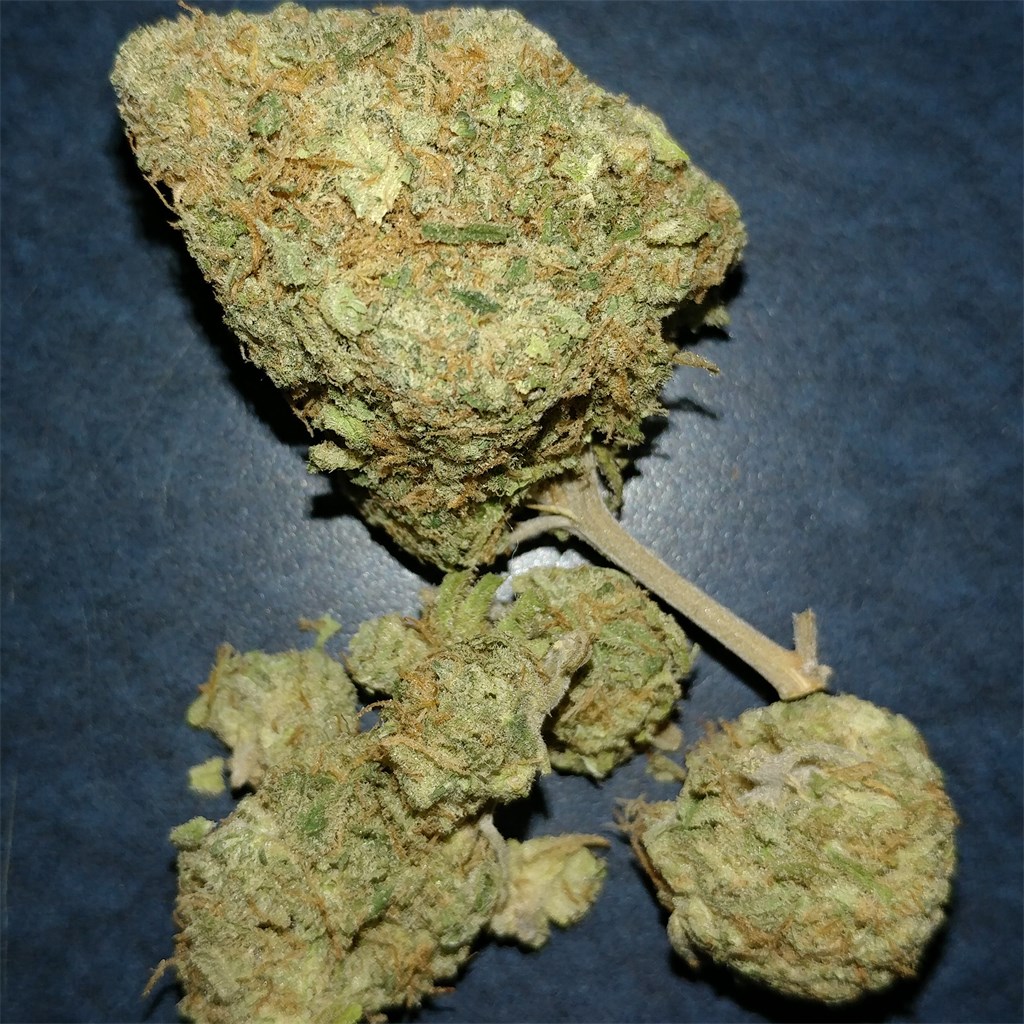
It took 8 weeks for this breed of african landrace cannabis to complete its flowering stage. The breeder was impressed by the large dominating central colas on each plant. Fresh buds covered in frosty terpenes released a refreshing aroma that clung inside the drying tent and curing jars.
Is It Difficult To Grow Moshi Sativa Successfully In A Foreign Climate
Here are four characteristics that make Moshi landrace adapt perfectly to foreign environments.
1. Mold Resistance
The climate experienced in northern Tanzania is hot and moderately humid. In addition, the moist volcanic loam soil has a good retention of moisture. Moshi landrace plants have adapted to their habitat by developing long, thin fan leaves for regulating transpiration. In addition, the leaf structure also provides an added advantage to breeders.
The thin and widely spaced leaflets promote sufficient airflow in between the foliage. This reduces excess humidity especially inside closed spaces such as a grow tent.
2. Short Maturity Duration
It took less than 24 hours for the Moshi sativa seeds to germinate inside a glass filled with reverse osmosis water. After transplanting the seedlings to the grow tent, they adapted perfectly to the heat produced by the LED panel and air conditioner. This desirable characteristic made it possible for the cultivator in New York to harvest a decent quantity in just 16 weeks, yet it was their first-time growing an african landrace sativa.
3. Thrives Under Moderate Temperature
It’s amazing how the Moshi landrace seedlings matured in 16 weeks without experiencing heat stress or stunted growth due to unfavorable temperature. Maintaining the temperature at 58 degrees Fahrenheit inside the grow tent replicated the weather experienced throughout East Africa during the long rainy season. Tanzanian farmers usually plant their seeds around March and the beginning of April so that the plants can benefit from the heavy rainfall that occurs from April to August.
4. Highly Compatible With Low Stress Training (LST)
Each cannabis strain has its set of strengths and weaknesses. Some varieties require plenty of attention and a pair of delicate hands when subjected to LST. Moshi sativa, on the other hand, produces auxins at a high rate. This advantage enables plants to develop strong stems and branches. In addition, the high compatibility to LST training makes it a favorable choice for novice cannabis growers interested in growing foreign strains.
Would you like to grow Moshi sativa? You can order seeds by sending an email to mantkago@gmail.com











 East Africa Genes